

The modern workplace has undergone a massive shift. Instead of moving through fields or walking across factory floors, millions of us now spend eight to ten hours a day tucked into a chair, staring at a glowing screen. While our minds are racing at a hundred miles an hour, our bodies are completely still.
This stillness is actually quite hard on the human frame. Our spines were designed for movement, balance, and upright posture. When we sit for prolonged periods, we often collapse. We lean forward to see the text better, our shoulders roll toward our ears, and our lower back loses its natural curve. Over time, this office slump becomes our default setting, leading to chronic pain that follows us home long after we have logged off.
If you find yourself rubbing your neck at 3:00 PM or feeling a sharp pinch in your lower back when you finally stand up, you are not alone. Understanding how sitting affects your spine, and how tools like a back posture corrector belt can help, is the first step toward feeling better.
Why Sitting Is So Hard on Your Back
When you stand, your weight is distributed through your hips, knees, and ankles. Your spine maintains a natural “S” shape that acts like a spring, absorbing shock and protecting your nerves.
When you sit, especially in a chair that lacks proper back support, that “S” shape often turns into a “C” shape. This really puts an immense amount of pressure on the spinal discs, the soft cushions between your vertebrae.
Common Issues from Prolonged Sitting:
- Rounded Shoulders: This happens when the chest muscles tighten and the back muscles weaken, pulling the frame forward.
- Forward Head Posture: Also known as tech neck, this strains the muscles at the base of the skull, leading to tension headaches.
- Lumbar Flattening: The lower back loses its curve, which can totally lead to bulging discs or sciatica (pain shooting down the leg).
The Role of the Posture Corrector Belt
To combat these issues, many people turn to a wearable solution. Whether you are looking for a posture corrector belt for ladies or a posture corrector belt for men, the goal is simple: it acts as a physical coach for your spine.
How a Back Posture Corrector Belt Works
A posture corrector is typically a lightweight harness made of neoprene or elastic. It wraps around your shoulders and crosses over your upper back.
It does not fix you instantly; rather, it provides tactile feedback. The moment you begin to slouch, the straps tighten against your skin. This sensation reminds your brain to engage your muscles as well as pull your shoulders back. It creates a closed loop of awareness that is very hard to maintain on your own when you are focused on a difficult project.
Posture Corrector Belt for Ladies
Designs tailored for women often prioritize a slim, discreet profile. A posture corrector belt for ladies is usually designed to fit comfortably over or under a bra and is made of softer materials to prevent chafing. Since women often carry tension in the upper trapezius muscles (the area between the neck and shoulders), these belts focus on pulling the shoulder blades down and back to open up the chest.
Posture Corrector Belt for Men
A posture corrector belt for men typically features broader straps and more robust tension. Men often have wider frames and heavier muscle mass in the upper body, requiring a bit more force to keep the shoulders from rolling inward. These models often include extra back support panels that reach further down the spine to help stabilize the mid-back area.
The Importance of Proper Back Support
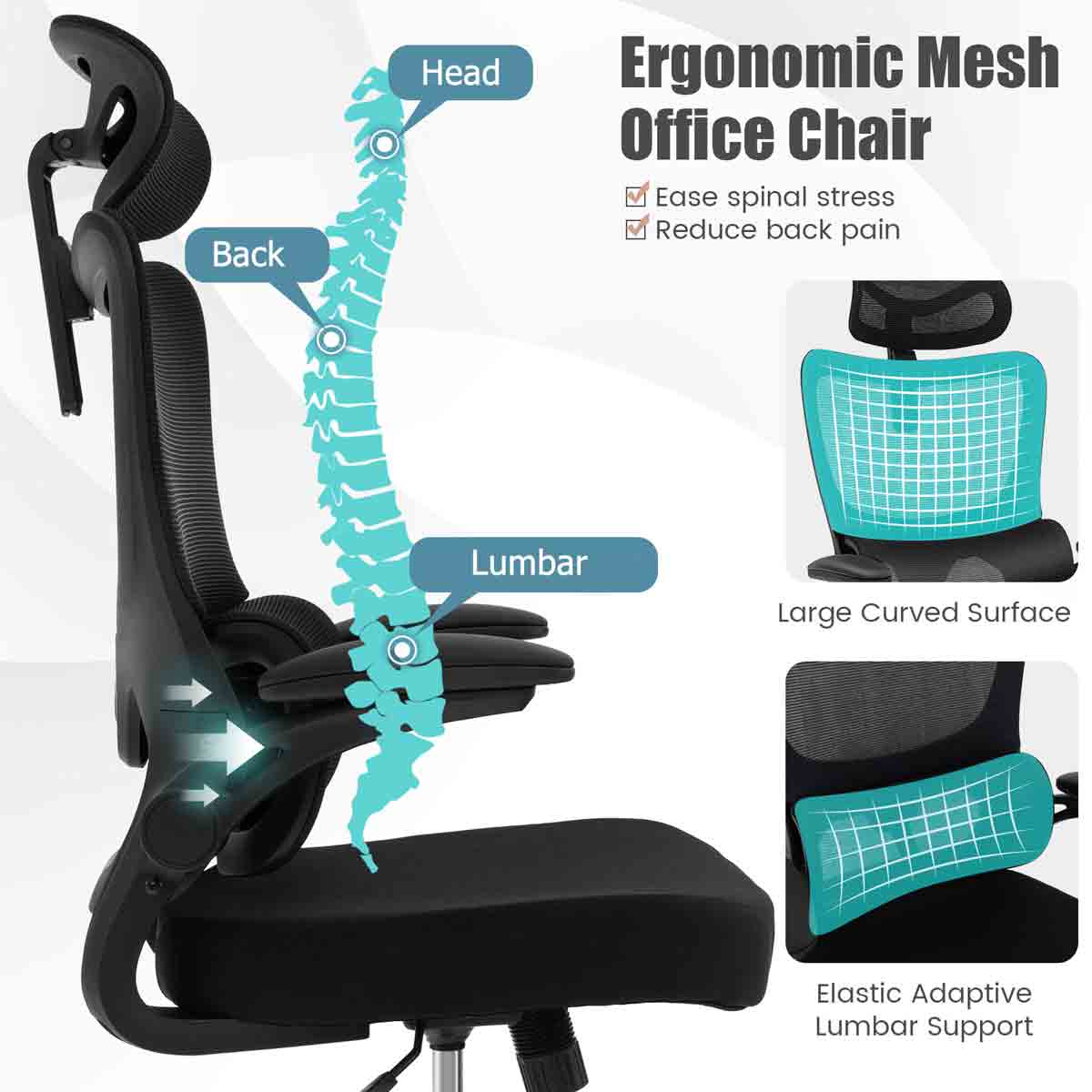
While a wearable belt focuses on your alignment, the chair you sit in needs to provide solid back support. If your chair is flat, your lower back (the lumbar region) will eventually collapse.
The best kind of back support should generally fill the gap between the chair and the curve of the lower spine. If your office chair doesn’t have this built-in, you can use a small pillow or a rolled-up towel. When your lower back is supported, it is much easier for your upper back to stay straight. This is why many people find that using a back posture corrector belt while sitting in a supported chair.
Tips for Surviving the 8-Hour Workday
A belt and a good chair are great tools, but they work best when combined with healthy habits. Here is how you can protect your spine while sitting all day:
1. The 90-90-90 Rule
To keep your spine neutral, aim for 90-degree angles at your ankles, your knees, and your hips. If your feet do not really reach the floor, make sure to use a footrest. This keeps your pelvis level and prevents your lower back from twisting.
2. Monitor Height
Make sure to keep your eyes level with the top third of the screen. If you are looking down at a laptop, you are asking for neck pain. Use a laptop stand or a stack of books to bring the screen up. This allows your back posture corrector belt to do its job without fighting against the weight of your head leaning forward.
3. Take Movement Snacks
Every 30 minutes, just stand up for at least 60 seconds. Reach for the ceiling, roll your shoulders, and take a deep breath. These movement snacks wake up your muscles and prevent the stiffening of the connective tissues in your back.
4. Use the Belt Strategically
Don’t wear your posture corrector all day long. If you wear it for eight hours straight, your muscles will become lazy because they are relying on the belt to hold them up. Instead, wear it for 30 to 60 minutes during your most focused work blocks, the times when you are most likely to forget your posture and slouch.
Choosing the Right Solution for You
When shopping for a back posture corrector belt, look for three things:
- Adjustability: You should be able to tighten or loosen it yourself without help.
- Breathability: Since you will be wearing it at work, you want a material that doesn’t make you sweat.
- Comfort: If it pinches your armpits, you won’t wear it. Look for padded straps.
Remember, a posture corrector for everyday use is totally a training tool, not a permanent crutch. The ultimate goal is to build enough muscle memory and strength that you can sit tall as well as comfortably even when you aren’t wearing it.
Wrapping Up
Spine health isn’t about being perfect for one day; it’s about small, consistent choices. Choosing a chair with better back support, putting on your back posture corrector belt for an hour a day, and remembering to uncross your legs all add up.
Your spine is the literal backbone of your health. By giving it a little extra help during your long work hours, you ensure that you have the energy and mobility to enjoy your life once the laptop is finally closed.
